


Integrated Security Systems for Military Facilities
Military infrastructure utilizes advanced security systems, including:
- Intrusion Detection Systems (IDS),
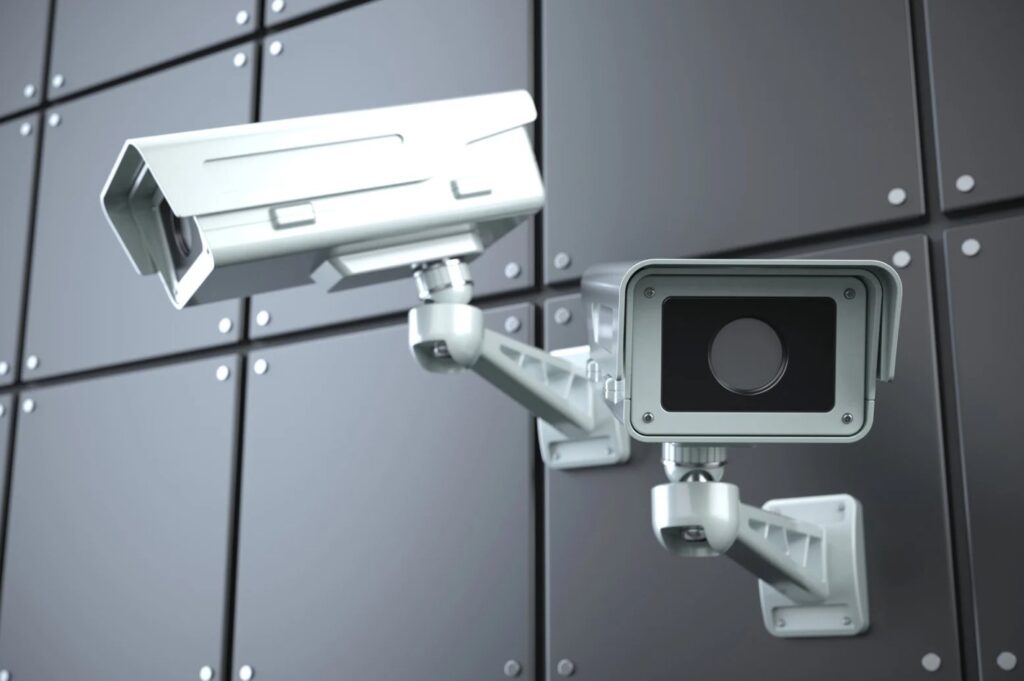
- Closed-Circuit Television (CCTV),
- Access Control Systems (ACS),
- Technical Infrastructure Monitoring.
For their centralized management, the dedicated IFTER EQU2 Military system was developed, designed in strict accordance with military operational guidelines and the specific workflow of the Duty Officer.
IFTER EQU2 Military – Centralized Management and Operating Procedures
The IFTER EQU2 Military system integrates all devices responsible for threat detection, facility management, and incident response. Information is presented in a clear and intuitive manner, enabling rapid decision-making during critical situations.
The system:
- pinpoints the exact location of a threat on the military unit’s floor plans,
- displays access routes to the scene of the incident,
- shows standard operating procedures (SOPs) tailored to the specific type of alarm.
Three-Layer Protection Model for Military Facilities
The security of military installations is based on three mutually reinforcing layers of protection:
- Perimeter protection.
- Building protection
- Technical infrastructure monitoring
This approach ensures early threat detection and effective response at every stage of an incident.
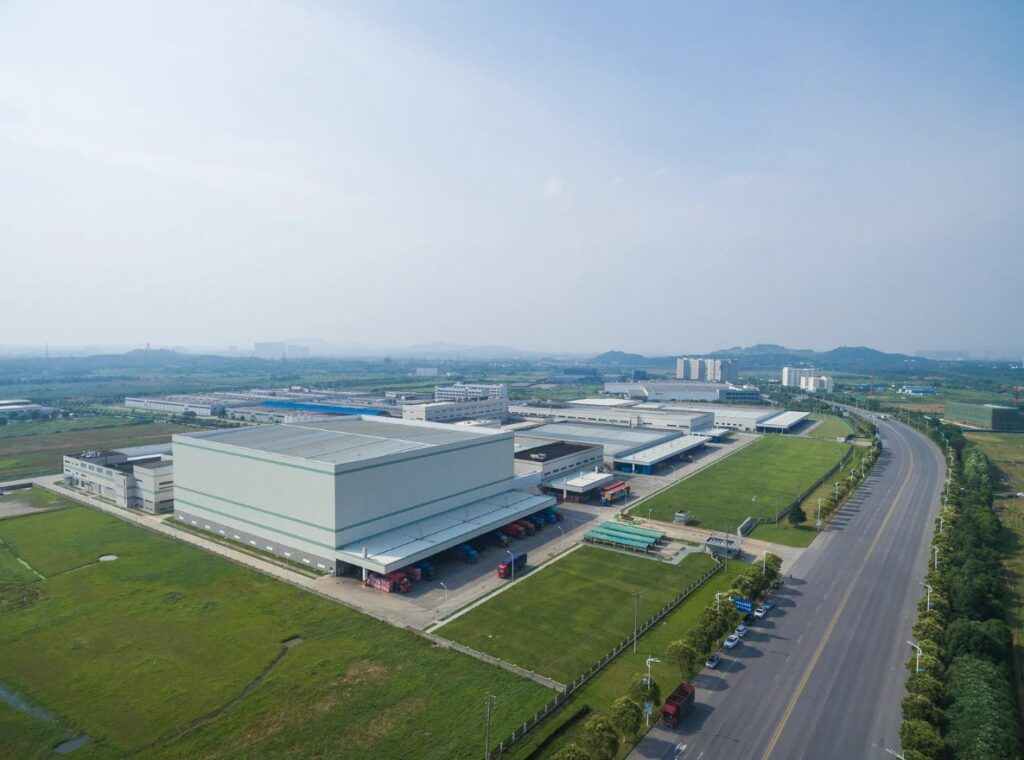
Perimeter Protection – Early Threat Detection and Verification
As part of perimeter protection, the following technologies are utilized:
- fence-mounted sensors,
- buried sensor cables,
- infrared and microwave barriers,
- CCTV cameras.
Most devices operate using two-way digital data transmission, which enhances security and increases the volume of available diagnostic information. IFTER EQU2 Military can treat each fence-mounted sensor or every meter of buried cable as a distinct logical element of the alarm system.
Sensors can be:
- grouped into alarm zones,
- temporarily bypassed,
- flexibly armed and disarmed.
Upon detecting an intruder, the system automatically directs all available cameras toward the threat and presents the Duty Officer with both archived footage (e.g., from 10 seconds prior) and the live feed. For cameras supporting ONVIF-T, advanced video analytics can serve as an additional virtual sensor.
Combining all perimeter protection elements into a single system creates an effective mechanism for early threat detection.

Building Protection and Access Control
The second layer of security consists of building protection, implemented through traditional intrusion detection systems and IFTER EQU ACC access control. The integration of these systems with IFTER EQU2 Military enables:
- two-stage arming and disarming of alarm systems,
- intercom communication between an individual in front of a high-security zone and the Duty Officer,
- local arming and disarming of lower-priority rooms directly from the reader.
Access Control Management – IFTER EQU ACC
The IFTER EQU ACC system enables the management of up to 1 million cards per controller, ensuring operational continuity even in the event of a lost connection to the central server.
Additional functionalities include:
- automated issuance of temporary passes at guardhouses,
- visitor verification based on identity documents,
- entry and exit control utilizing mobile readers.
The global anti-passback mechanism blocks cards that have not been used according to the designated control path — an individual who has not been verified at the main gate will be denied access to any building on site.

Technical Infrastructure Monitoring
The third layer of security is the monitoring of technical infrastructure, which includes the supervision of:
- power supply,
- data transmission continuity,
- location of failures and sabotage attempts.
This enables a rapid response to technical incidents and ensures the continued full effectiveness of security systems across military facilities.