


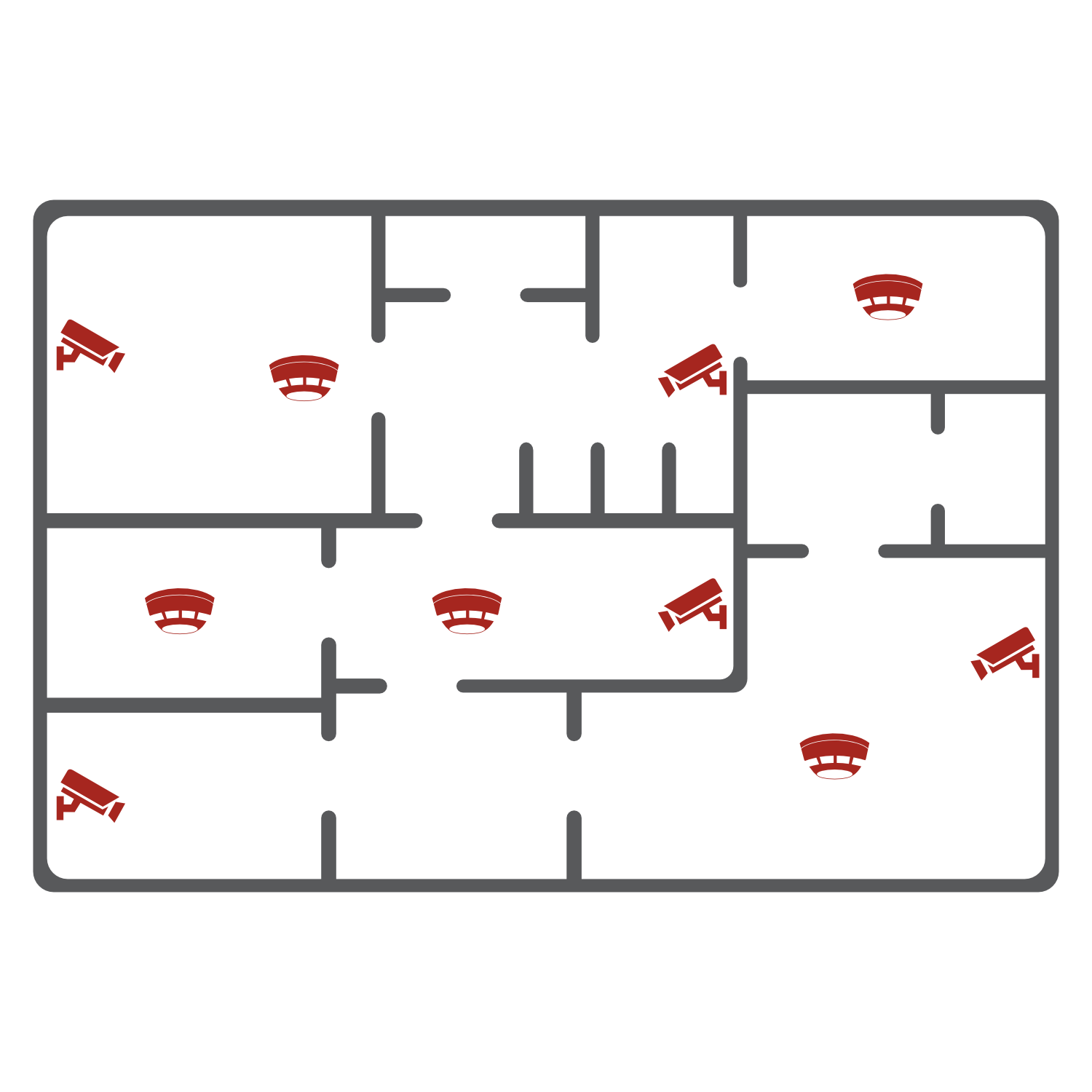
The primary goal of visualization in the IFTER EQU2 system is to simplify the delivery of information regarding emerging threats and to actively support the operator in rapid decision-making. The core concept of the system is the dynamic presentation of the real-time status of all devices and sensors on architectural floor plans, requiring no additional action from the staff. Thanks to refined color-coding and icon shapes, the operator receives unambiguous information about the device type and its current status.
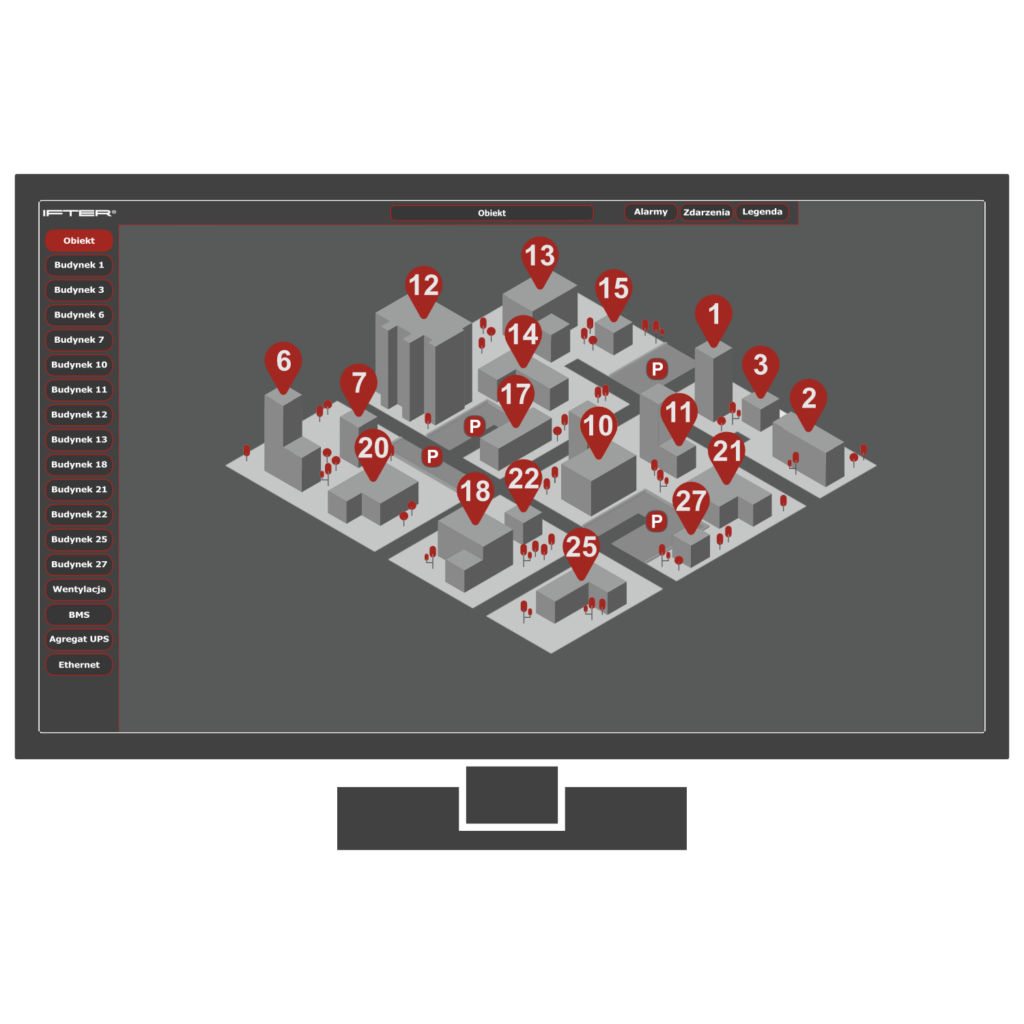
The primary objective of visualization in the IFTER EQU2 system is to streamline the communication of threat data and to actively support operators in rapid decision-making. The core philosophy of the system is the dynamic presentation of the real-time status of all devices and sensors directly on architectural floor plans, requiring zero additional input from the staff. Thanks to refined color-coding and distinct icon shapes, operators receive clear, unambiguous information regarding both the device type and its current status.
Real-world Facility Mapping
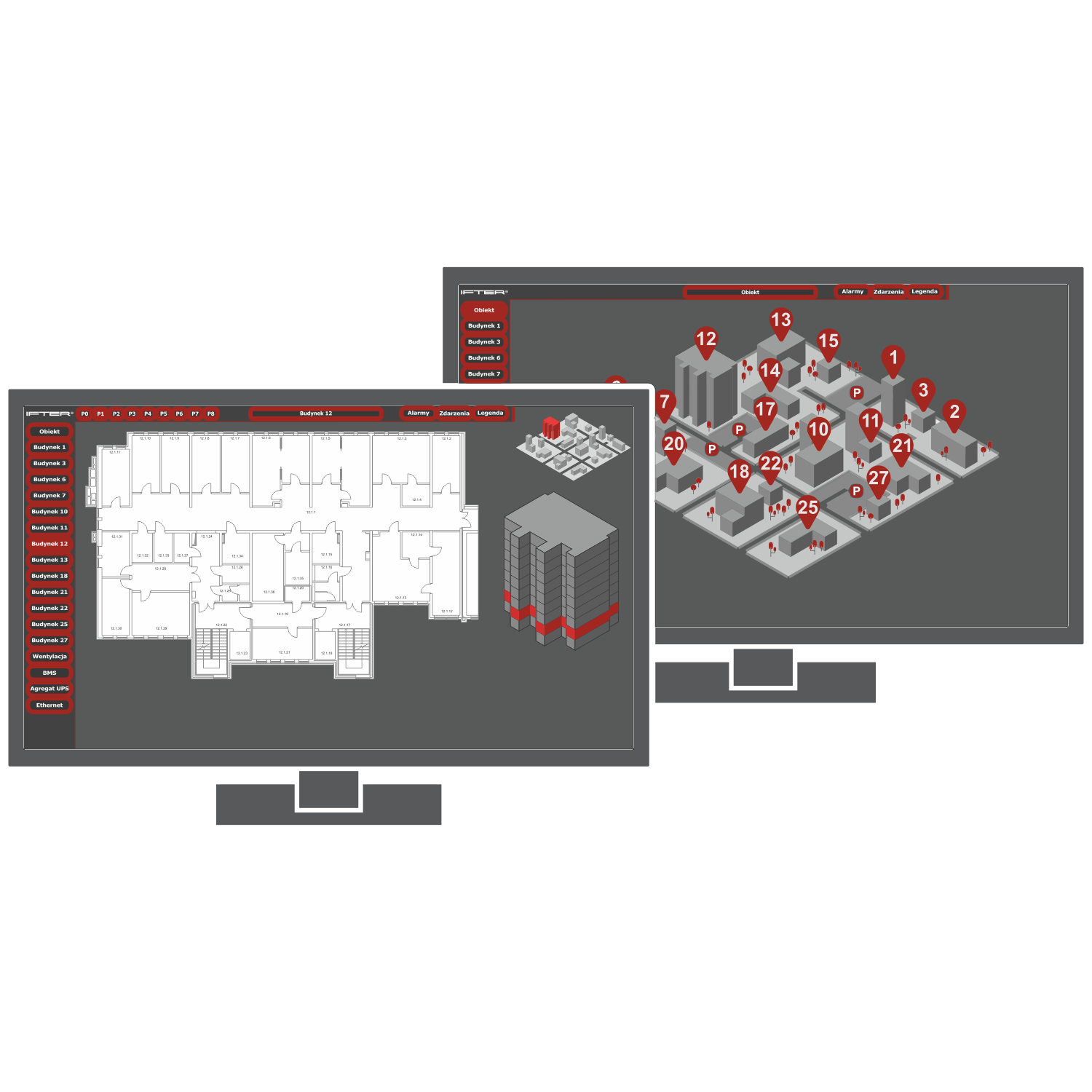
Visualization in the IFTER EQU2 system presents the current security status through interactive facility plans.
Every installation element — including sensors, modules, cameras, and controllers — is mapped in real-time.
Operators can monitor the facility at various scales and levels of detail, instantaneously locating the source of an incident and responding in accordance with established procedures.
Visualization Methods
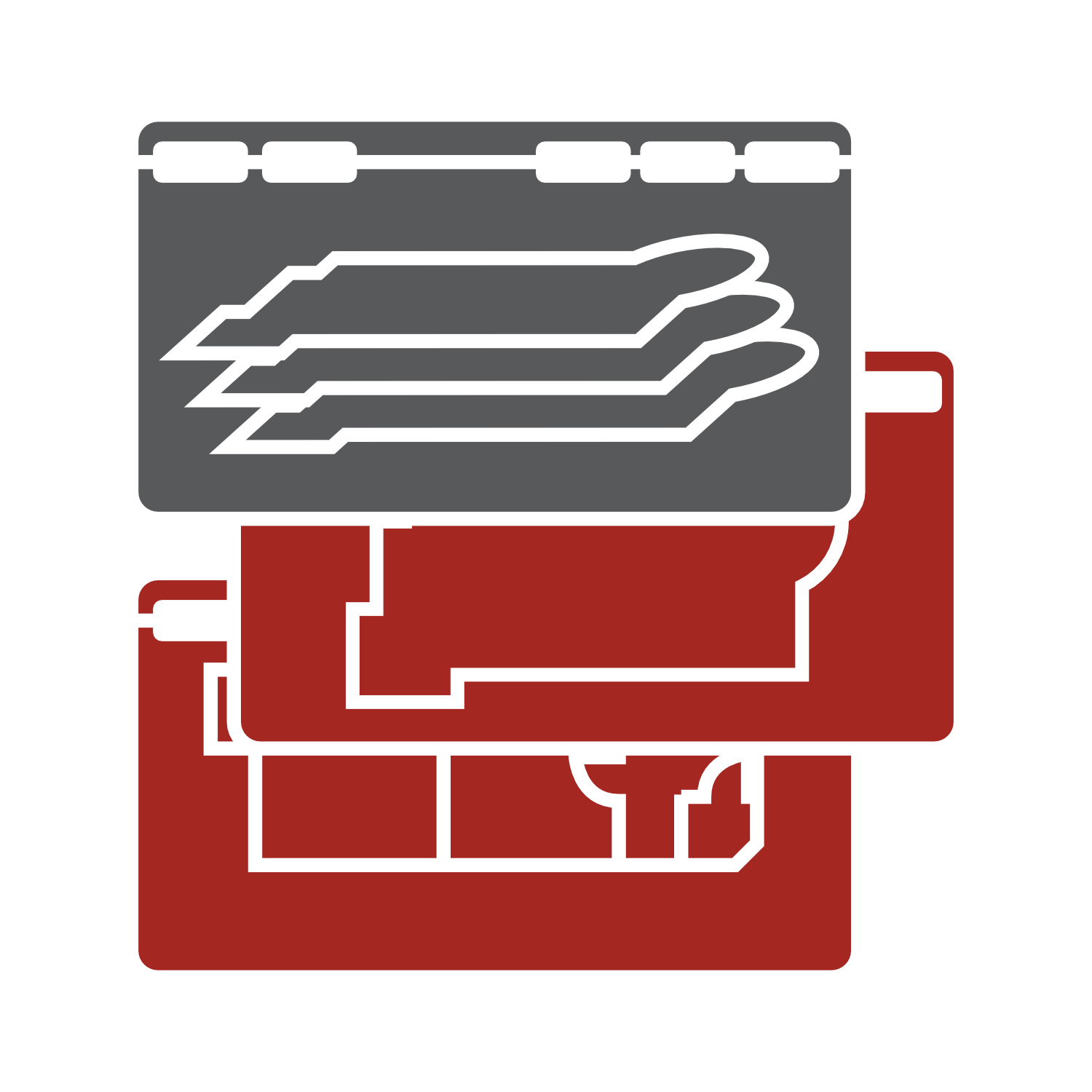
The IFTER EQU2 system supports three types of visualization, which can be used independently or combined within a single project:
- Vector Visualization – The primary visualization type, providing precise facility mapping and smooth scaling regardless of resolution. Every element maintains its proportions and properties, guaranteeing clarity even at high zoom levels.
- Raster (Bitmap) Visualization – Utilizes backgrounds such as floor plans, maps, or design documentation. It is ideal for mapping irregularly shaped objects or facilities where CAD documentation is unavailable.
- Web Visualization – Provides system access via a web browser, enabling mobile users to monitor and control devices in real-time. All data is updated instantaneously, ensuring intuitive operation and full control.
Thanks to the system’s flexible architecture, different types of visualization can be used simultaneously within a single workspace.
Multi-Monitor Operation
The system supports operation across up to 8 monitors connected to a single workstation.
Each screen can function independently, displaying different views or sharing the overall workspace.
Commonly Used Configurations:
- Monitor 1: General site plan (overview).
- Monitor 2: Selected floors or zones.
- Monitor 3: Alarm views and critical alerts.
- Monitor 4: Live camera feeds (CCTV).
- Monitor 5: Event and alarm logs.
This multi-monitor capability significantly enhances situational clarity and reduces operator response times, particularly in large-scale facilities or complex organizational structures.
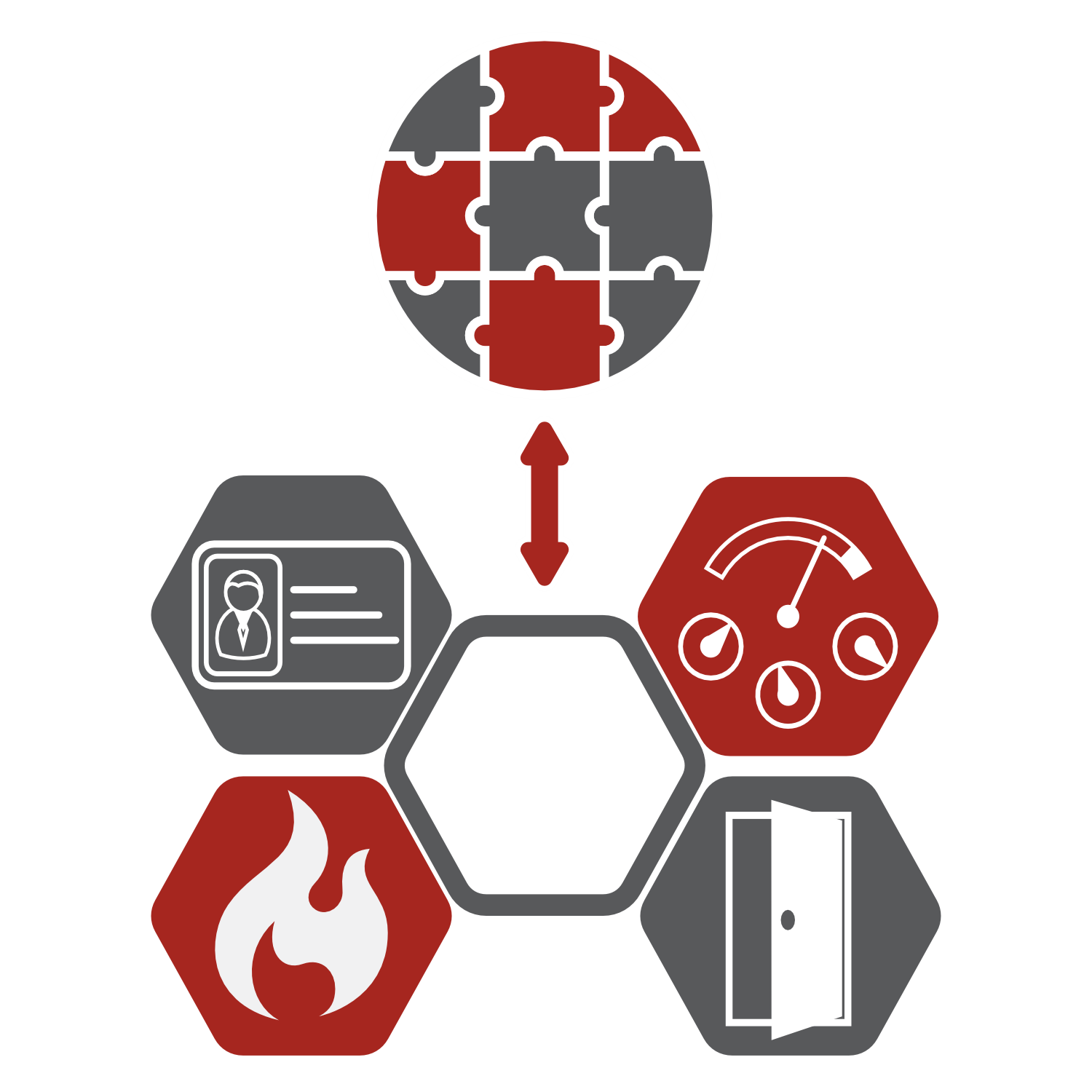
Integration within the IFTER EQU2 system serves as the core mechanism for synergy between security systems, building automation, and the facility’s technical infrastructure.
The communication architecture enables real-time data exchange, processing, and presentation within a single, unified environment.
The system functions as a high-level management layer, coordinating devices and applications from various manufacturers while maintaining full logical and operational consistency.
This approach ensures continuity of supervision, consistent responses, and the ability to create cross-system links that would otherwise operate independently.
Security Systems Integration
The IFTER EQU2 system supports a wide range of security devices and systems, allowing them to operate concurrently within one management environment.
Communication is bidirectional: EQU2 receives status updates, alarms, and events, while also transmitting control commands.
Every system can be presented within the visualization environment and interact with others, regardless of the manufacturer or hardware architecture.
Integration includes FAS (Fire Alarm Systems), IDS (Intrusion Detection Systems), ACS (Access Control Systems), CCTV, and building automation.

Inter-System Relationships and Links
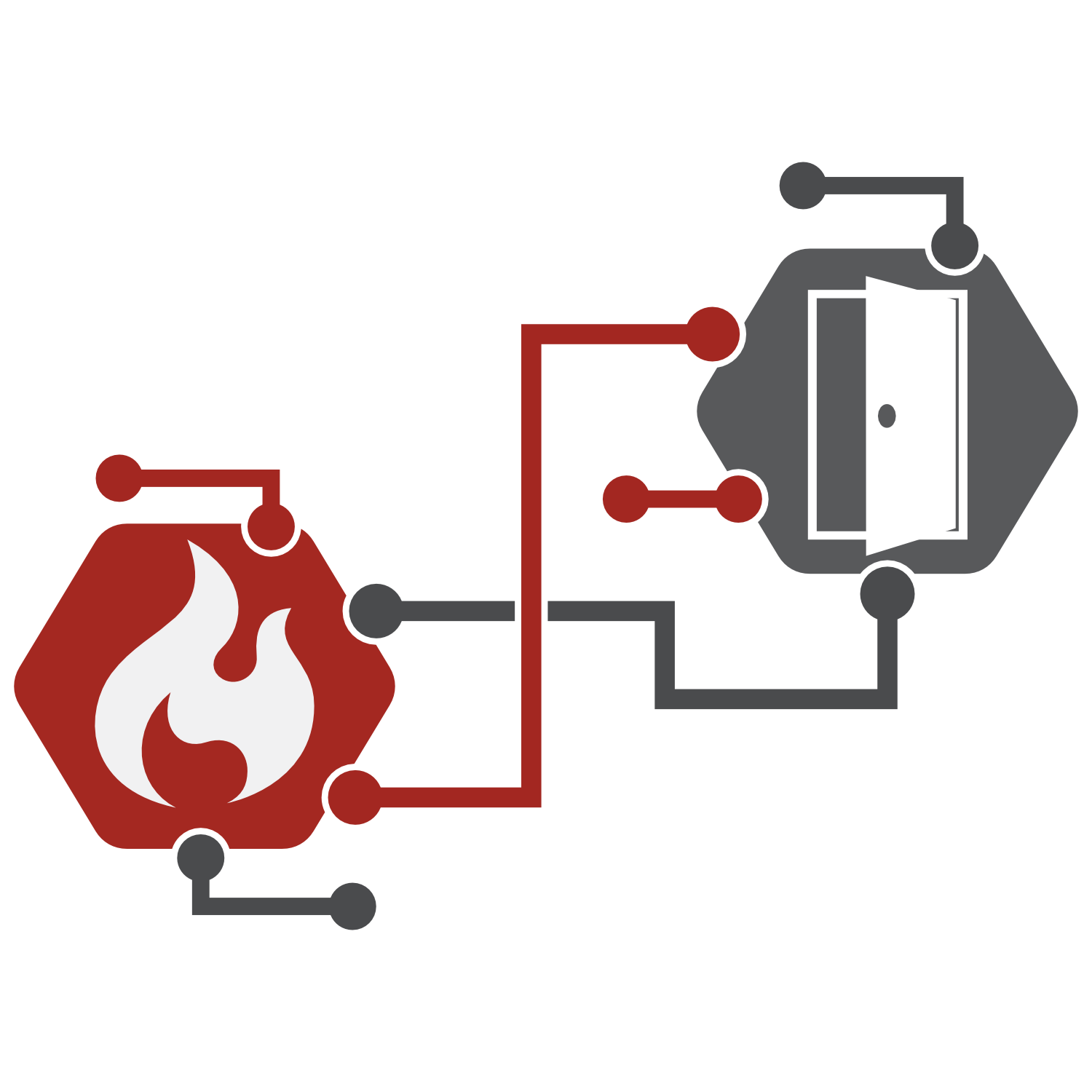
IFTER EQU2 allows for the creation of logical relationships between elements of different systems.
An event in one system can automatically trigger a reaction in another—for example, a fire alarm can activate specific cameras, unlock evacuation routes, or send notifications to the command center.
These relationships are user-defined and can be tailored to the specific operating procedures of the facility.
Consequently, the system enables the construction of complex, automated, and predictable security scenarios.
Communication and Supported Protocols
Integration in EQU2 is based on data exchange via TCP/IP, UDP, RS232, and RS485 protocols.
The system supports both open standards (including OPC, SNMP, MODBUS) and proprietary manufacturer protocols.
This allows for direct communication with devices without the need for additional converters or middleware.
Furthermore, EQU2 can act as an integration gateway, sharing data and control functions with external management systems.

Open and Scalable Architecture
The IFTER EQU2 system features a modular design, allowing the scope of integration to be adapted to the user’s current needs.
The system can be expanded with additional integrations, communication protocols, and features without interfering with the existing configuration.
This approach enables phased implementation in facilities of various sizes and complexities while maintaining a uniform workspace.
A unified user interface guarantees consistent operation, regardless of the number of integrated systems.
Operational Efficiency
Centralizing information within a single environment significantly reduces operator response times and simplifies the management of complex installations.
The system eliminates the need for multiple applications, reducing the risk of error and increasing workflow efficiency.
Thanks to automatic data synchronization, all system elements remain up-to-date, providing the operator with comprehensive, real-time situational awareness.
This integrated structure ensures total control over all systems from a single platform.

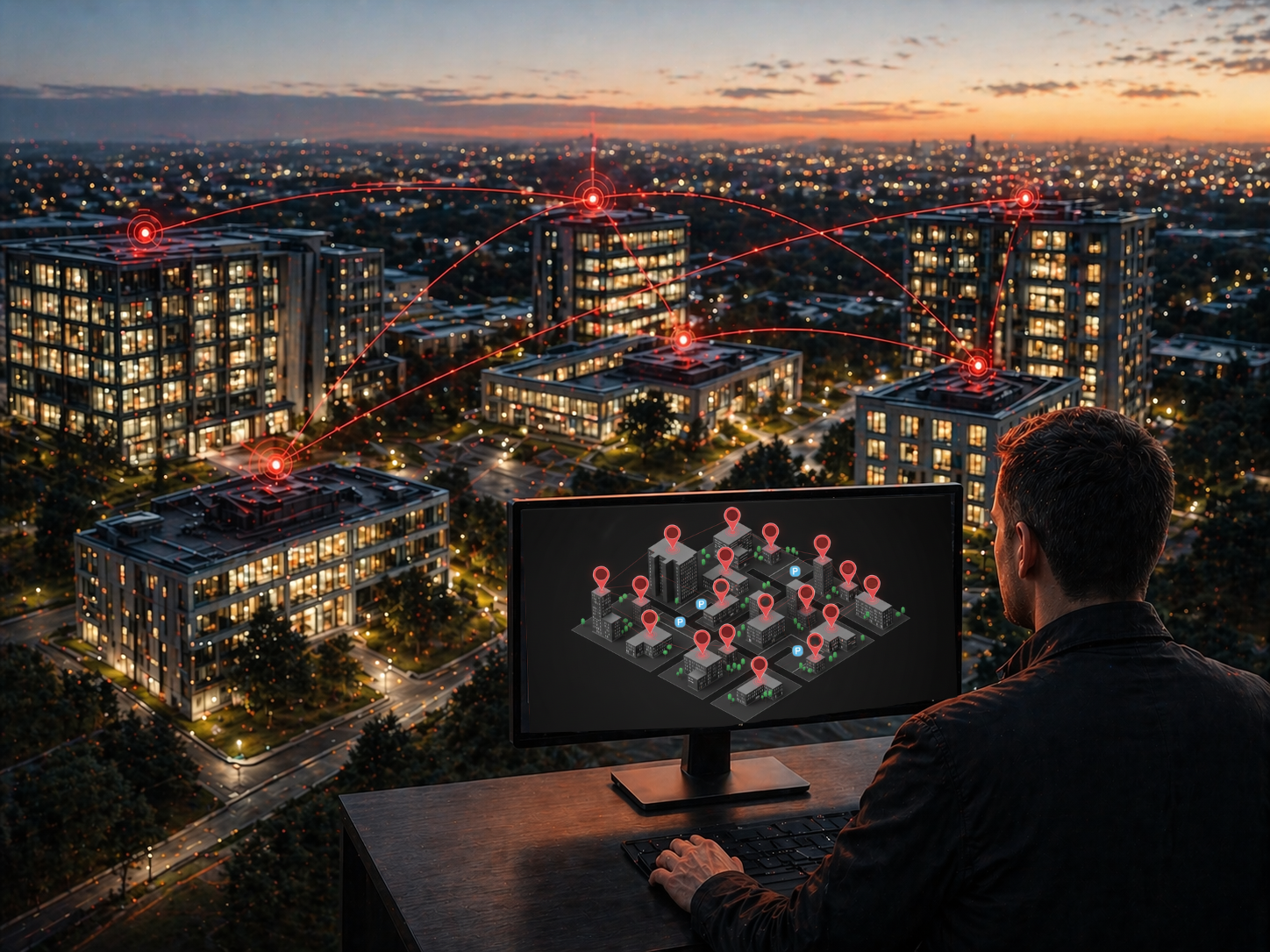
IFTER EQU2 is a solution designed to manage both individual facilities and extensive, multi-site structures. Thanks to its advanced architecture, the system enables simultaneous operation across multiple workstations, with data stored and synchronized to ensure maximum consistency and security.
Cluster technology allows for the integration of distributed systems into a single, centrally supervised network, eliminating the risk of losing control over individual units. This approach enhances management flexibility, making the system ideal for facilities that require comprehensive protection and coordination across multiple locations. In the event of a connection failure between the center and a remote site, security levels remain uncompromised — the local system operates autonomously until communication is restored.
Cluster System Architecture
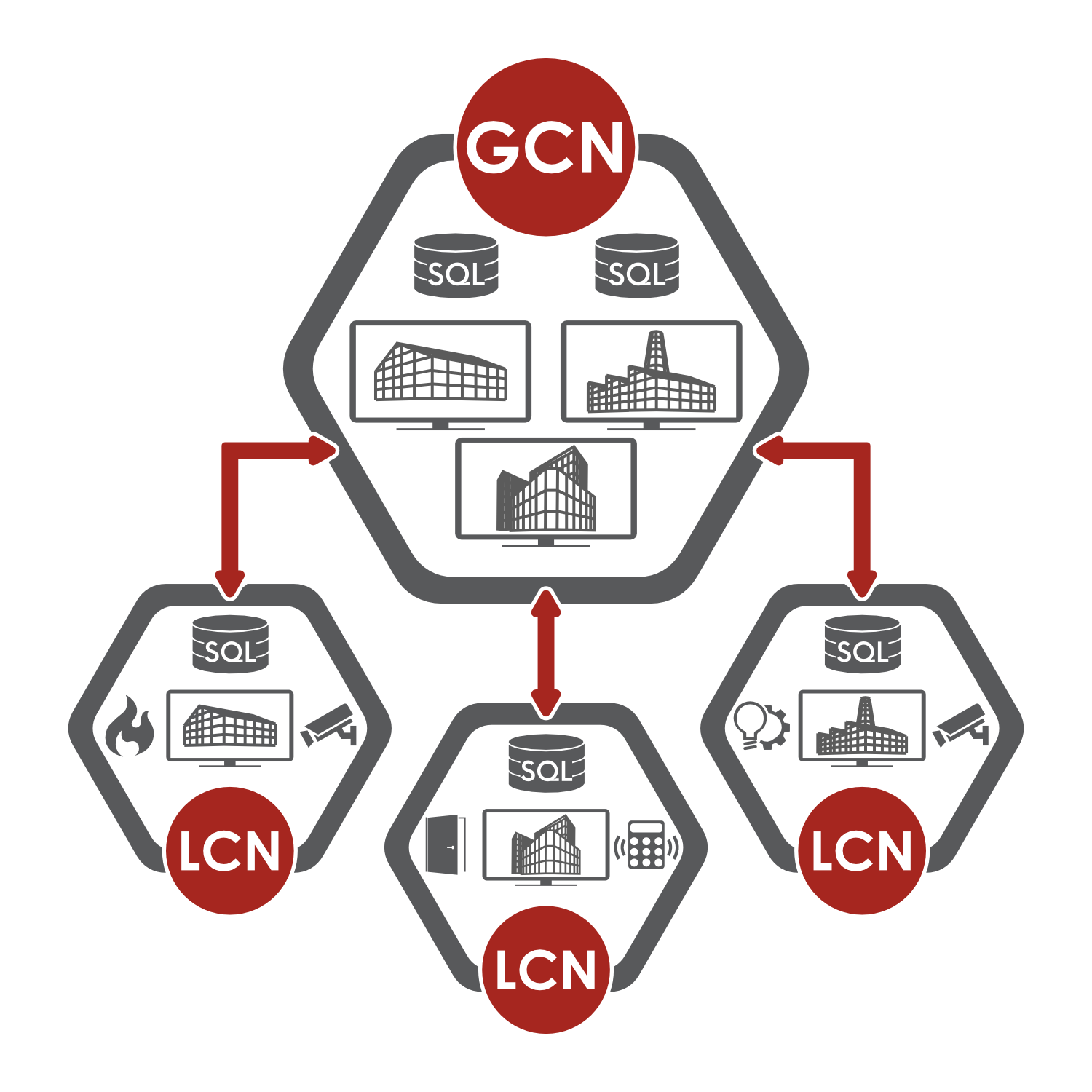
Cluster technology enables the connection of distributed IFTER EQU2 and IFTER EQU ACC systems into a single integrated framework, allowing for management and control at both global and local levels.
The system structure consists of primary clusters (Global Supervision Centers), which serve as the high-level management system, and subordinate clusters (Local Supervision Centers), responsible for the day-to-day management of regional installations.
Local Centers operate autonomously, integrating CCTV, IDS, ACS, and FAS systems. They analyze events in real-time, respond automatically to threats, and transmit only key data to the headquarters. This design eliminates single points of failure, ensuring the continuity of the entire system.
Local Operation and Data Synchronization
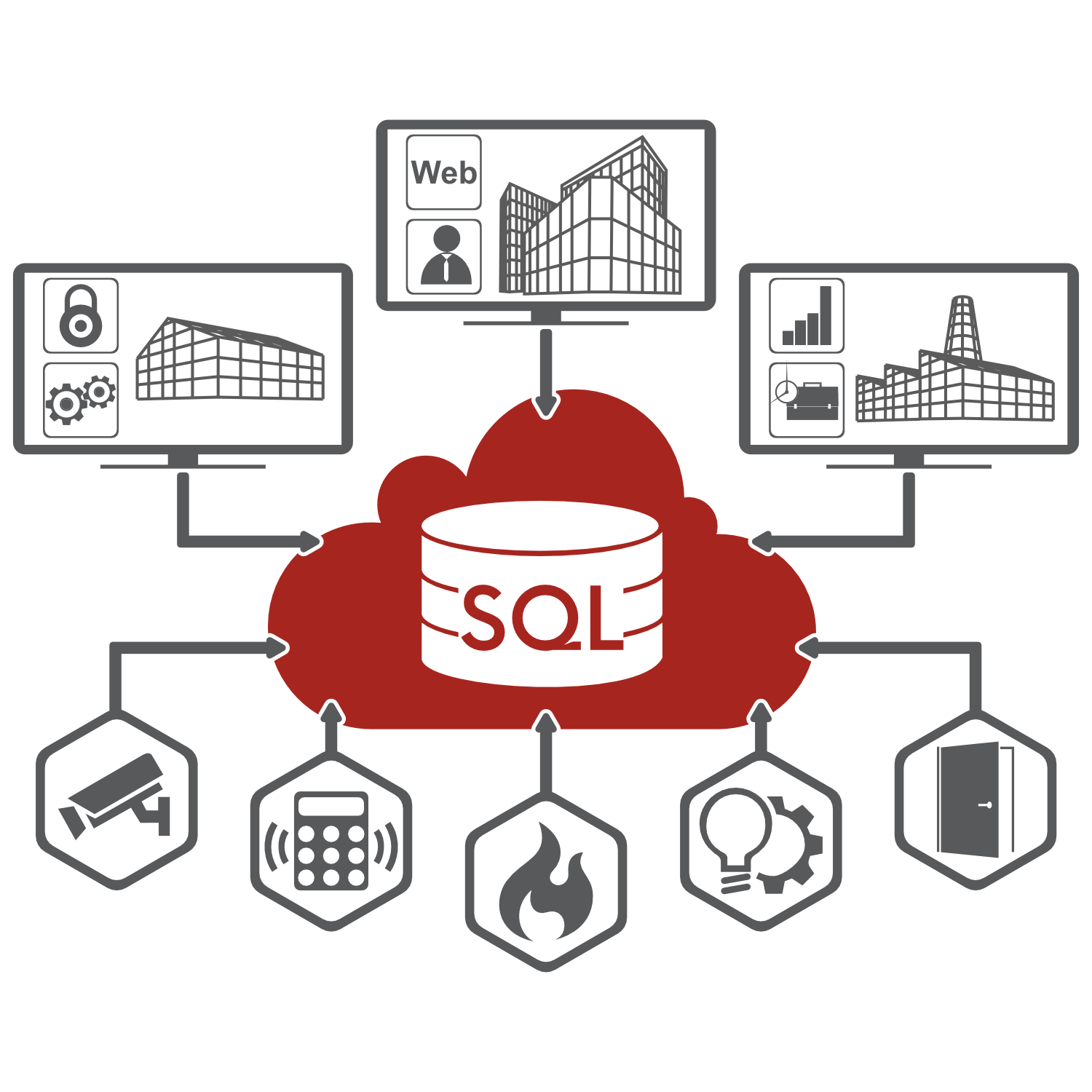
Each facility is equipped with workstations providing visualization of the current status of security and building automation systems. By integrating local devices with an SQL database, the system maintains full functionality even if the connection to the center is lost.
Once communication is restored, data is automatically synchronized, and all relevant information is transmitted to the primary system.
While only the specific facility configuration is stored locally, the main center holds the configurations for all units, enabling comprehensive management from the central system.
Benefits of Distributed Architecture
- High availability — elimination of single points of failure.
- Autonomous operation of sites in the event of connection loss.
- Scalability and the ability to expand with new locations.
- Streamlined communication between local units and the center.
- Centralized supervision and real-time data analysis.
The I&HAS (Intrusion and Hold-up Alarm Systems) is a fundamental electronic security system designed to detect unauthorized entry attempts into a facility and to signal panic or duress situations involving personnel.
The Access Control System (ACS) is used to manage the movement of individuals to selected rooms, zones, and equipment within a facility. Its purpose is to ensure that access to protected areas is granted exclusively to authorized personnel in accordance with the established security policy.
The Fire Alarm System (FAS) is responsible for the early detection of fire hazards and the initiation of actions aimed at mitigating the consequences of a fire, focusing on both life safety and the protection of technical infrastructure.
Closed-Circuit Television (CCTV) systems are used for the visual surveillance of a facility, event recording, and supporting operators in assessing security situations. The fundamental components of the system are cameras and devices responsible for recording, archiving, and managing video footage.
Perimeter Security Systems complement standard alarm systems by providing early detection of intruder entry attempts onto the grounds of a protected site. They serve as the first line of defense, enabling threat identification before a building or internal zone is breached.
A Building Management System (BMS) is used to supervise and manage the technical installations within a building. Its task is to ensure the proper functioning of systems responsible for the comfort, energy efficiency, and operational safety of the facility.
IFTER EQU FSI — Professional FSI Class System (FMS)
The fire safety market has established a specialized class of solutions known as FSI (Fire System Integrator), also commonly referred to in Poland as SIUP (System Integrating Fire Protection Devices).
Systems of this class are designed for the centralized integration, visualization, and execution of fire control commands in facilities with elevated security requirements.
In response to these needs, IFTER has developed a dedicated product: IFTER EQU FSI – a professional FSI-class system specifically engineered to work in tandem with fire alarm systems.
Integration of Fire Alarm Control Panels and Devices
IFTER EQU FSI provides integration for over 25 types of fire alarm control panels (FACPs) using protocols developed directly by the panel manufacturers. Additionally, the system allows for the integration of an unlimited number of fire panels and devices communicating with the IFTER EQU platform via open protocols such as:
- Modbus
- OPC
- BACnet
This approach guarantees flexibility, scalability, and the ability to deploy the system in both new installations and the expansion of existing facilities.
Certification and Approvals
The high quality and compliance of IFTER EQU FSI with fire protection requirements have been confirmed by:
- CNBOP Certificate of Admission (Scientific and Research Centre for Fire Protection),
- National Technical Assessment (KOT).
These documents confirm the system’s suitability for facilities where strict fire protection standards must be met.

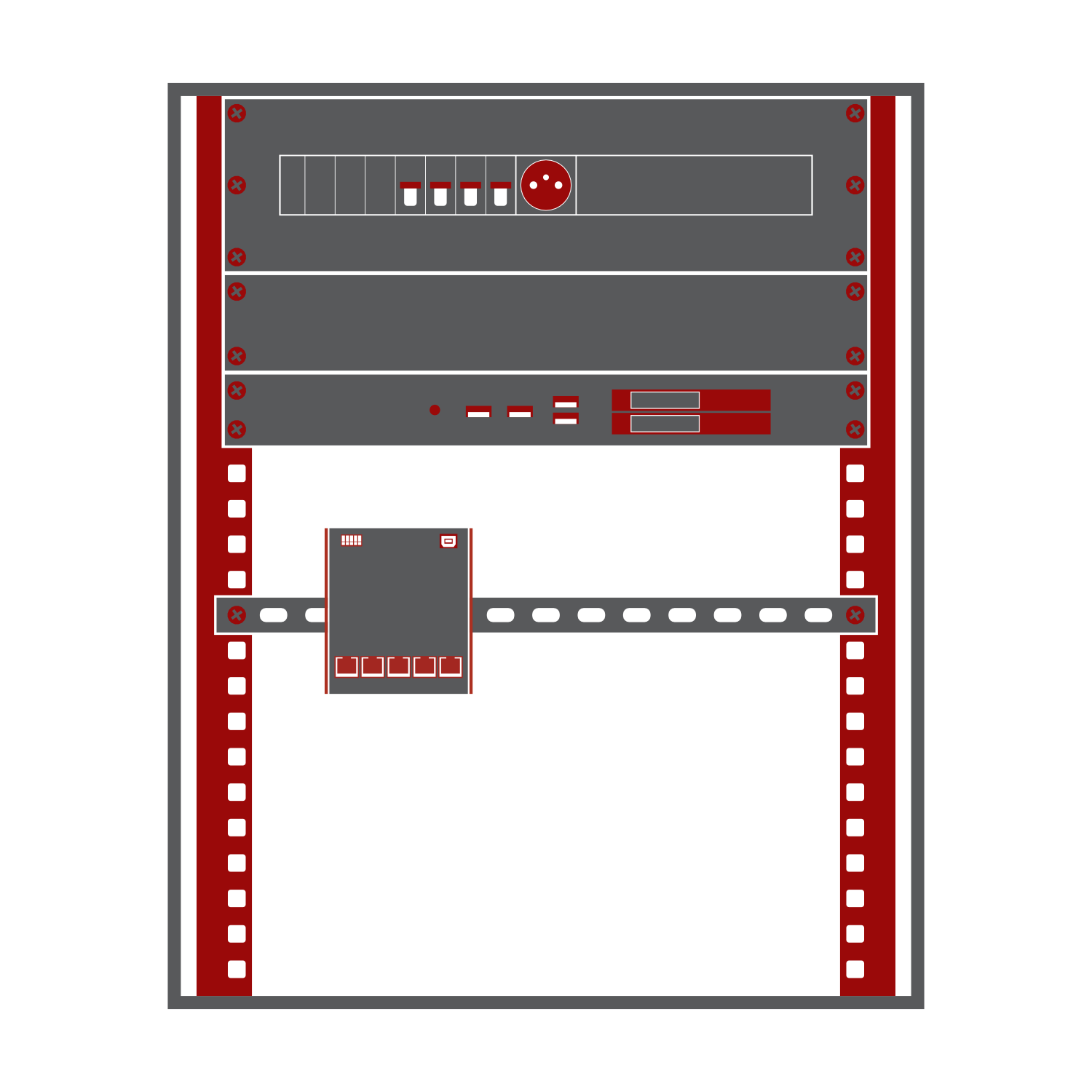
Dedicated FSI Cabinet and Power Independence
IFTER EQU FSI includes a dedicated FSI cabinet, containing a full set of equipment necessary for correct and reliable system operation.
The cabinet has undergone extensive testing and includes:
- the system server,
- integration interfaces,
- a complete backup power supply path.
The implemented solutions ensure operational continuity for the entire duration required for fire systems, even in the event of a total loss of external building power.
As a result, the operator receives full information on the progression of the fire hazard even during a complete blackout.
Visualization and Fire Control
IFTER EQU FSI nie ogranicza się jedynie do prezentacji zdarzeń pożarowych. System:
- visualizes alarms and their precise locations on architectural floor plans.
- executes fire control commands, particularly at the interface of various systems and devices.
- enables automatic reactions according to pre-defined fire scenarios.
Control commands can be executed:
- based on simple system logic,
- Via advanced LUA scripts created by the installer.
This allows for the free definition of relationships between events and devices, ensuring the system is fully tailored to the facility’s specific needs.

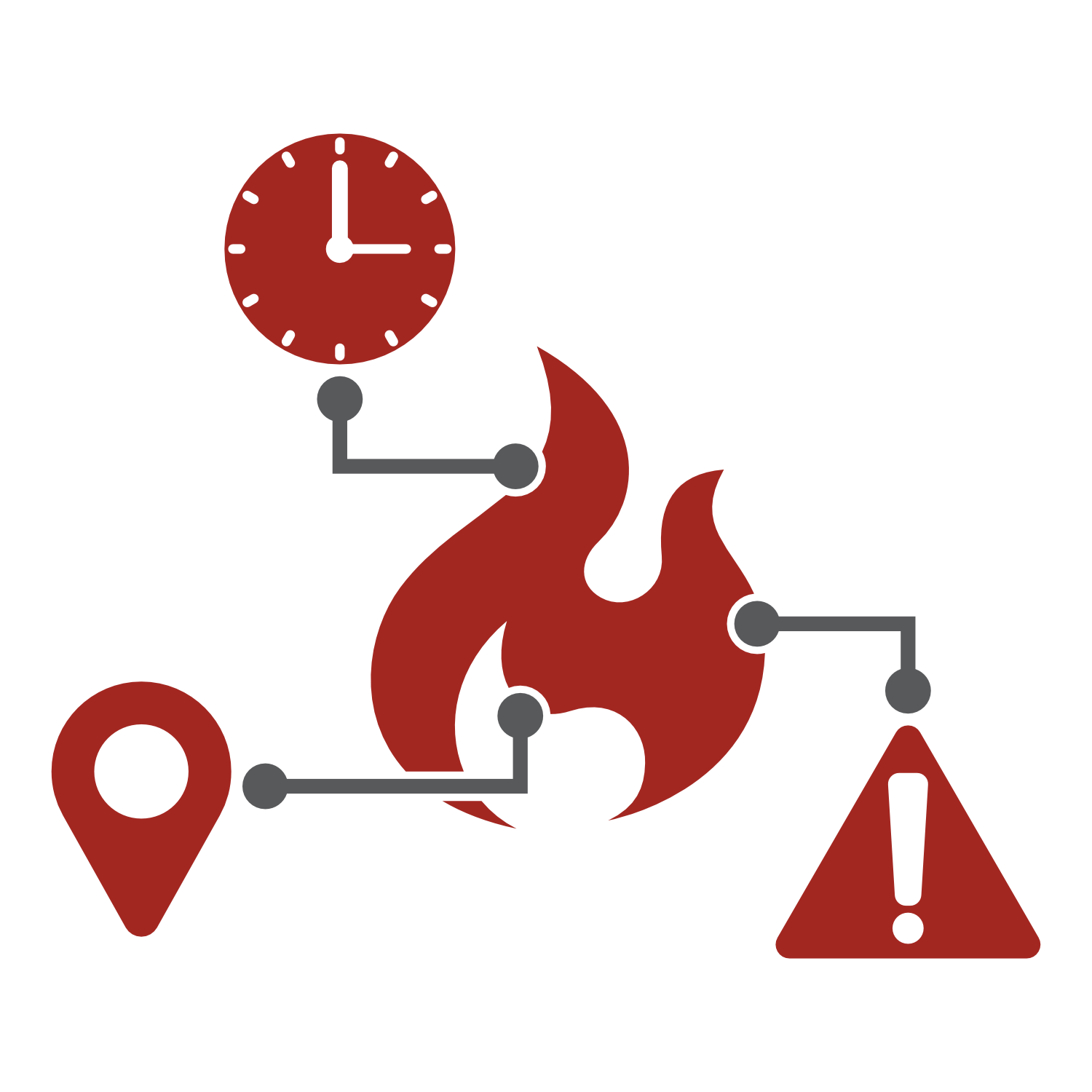
Operator Support and Relational Alarm Handling
A key feature of IFTER EQU FSI is relational fire alarm handling, which dynamically adjusts the presentation of information and operator support based on:
- time of day,
- alarm location,
- change in the nature or escalation of the threat.
This solution significantly enhances situational clarity, reduces response times, and minimizes the risk of operator error.
| Nazwa | Standard | Professional | Business | FSI | Military |
|---|