


Integrated Security Systems for the Power Industry
In power industry facilities, comprehensive security systems are implemented, encompassing:
- Perimeter Protection: The first line of defense to detect intrusion at the boundary.
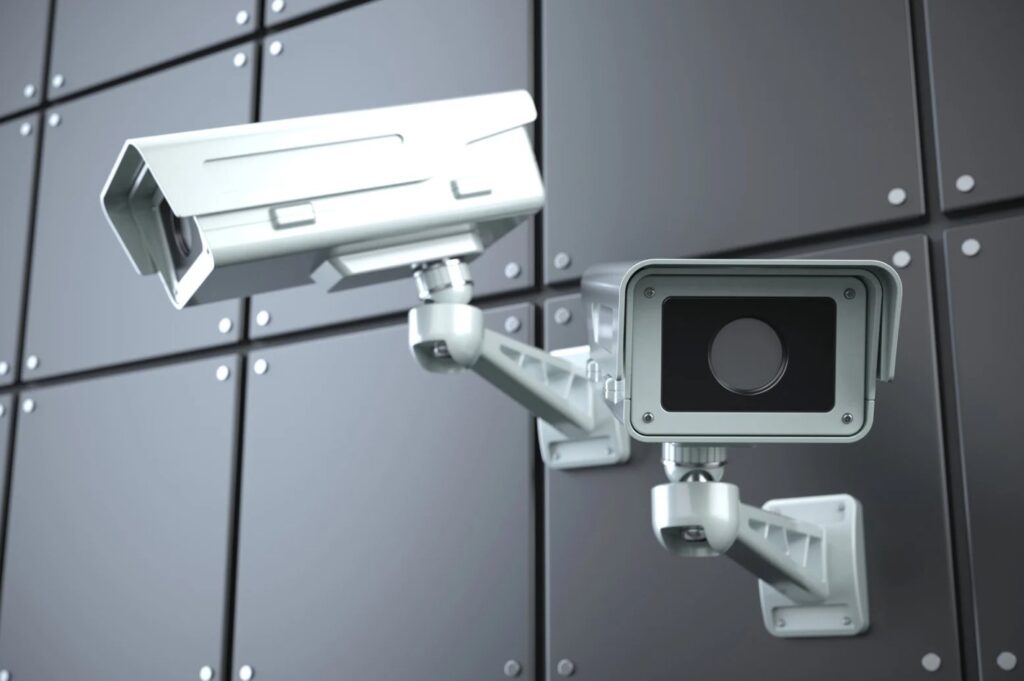
- Closed-Circuit Television (CCTV): Continuous visual surveillance and event recording.
- Intrusion Detection and Panic Alarm Systems (IDS): Protecting critical infrastructure from unauthorized entry and physical threats.
- Access Control System (ACS): Managing entry to rooms, main gates, and pedestrian gates.
- Intercom Systems: Facilitating secure voice communication and remote access authorization.
- Fire Alarm Systems (FAS): Early detection and automated mitigation of fire hazards.
All elements of the security infrastructure are integrated and visualized within the IFTER EQU2 system, which serves as the central platform for facility management and supervision.
IFTER EQU2 – Centralized Visualization and Automation
The IFTER EQU2 system enables the real-time presentation of the status of all security systems on building floor plans in an intuitive and clear manner for operators. From a single interface, it is possible to perform a full range of controls and quickly assess the current security level.
In addition to visualization, IFTER EQU2 automates the relationships between disparate systems, increasing event response effectiveness and significantly reducing reaction times.
Perimeter Protection and Video Monitoring
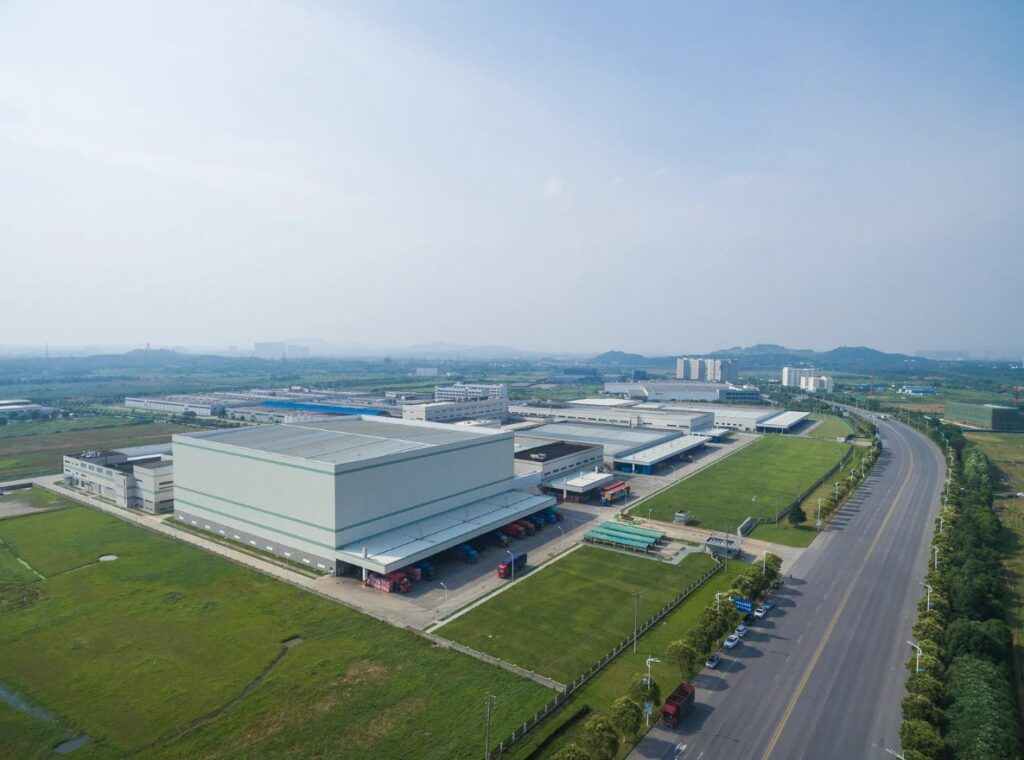
Due to the nature of power industry facilities, perimeter protection plays a particularly vital role, typically based on fence-mounted detectors communicating with IFTER EQU2 via digital protocols. This allows for extremely precise identification of the breach location — down to a single fence span.
At the moment an intruder is detected, IFTER EQU2 automatically:
- activates video recording in alarm mode,
- indexes the event,
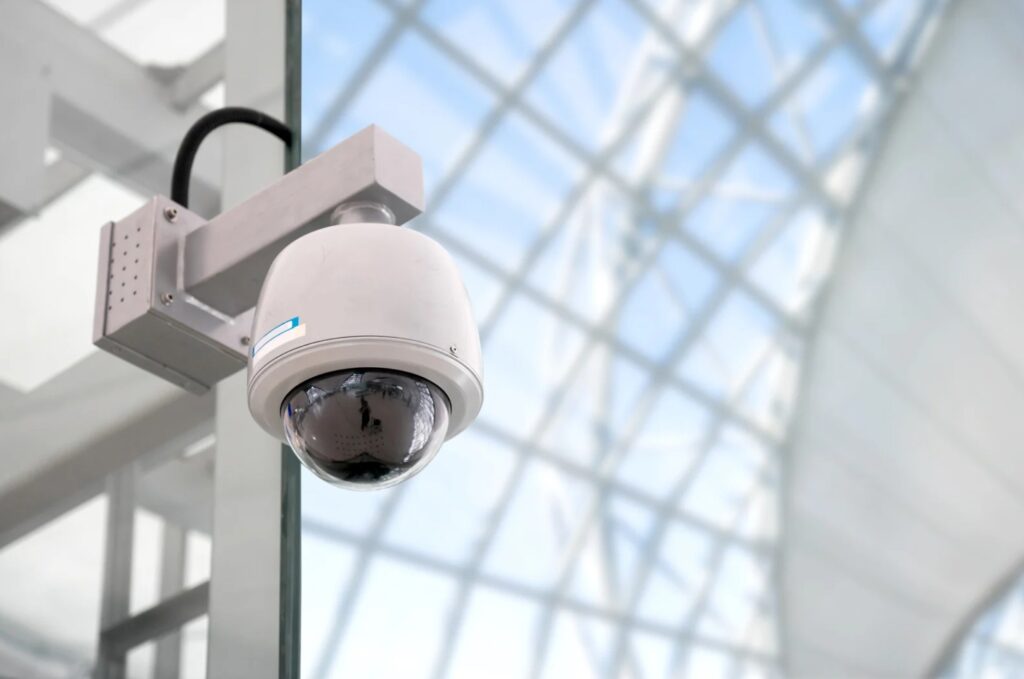
- controls PTZ (Pan-Tilt-Zoom) cameras, directing them toward the hazard.
Any loss of camera feed, malfunction, or threat detected by video analytics is logged and archived, which increases the level of oversight and enables comprehensive event analysis.

Building Security and Access Control
In energy infrastructure buildings, intrusion detection systems and access control are utilized, maintaining strict logical relationships. For instance, the access control system will not permit entry to a room that remains in an armed state, which significantly increases the protection level of sensitive zones.
Access control enables effective permission management and restricts access solely to authorized personnel.
Data Analysis and Security Optimization
The IFTER EQU2 system collects comprehensive data regarding the operation of the energy facility and all its security systems. This information is used for:
- event and incident analysis,
- verification of security performance,
- further optimization of system configurations.
This approach allows for the continuous improvement of the protection level of critical infrastructure.

Rapid Incident Response
Every event detected by the IFTER EQU2 system is automatically transmitted to the monitoring center and, in parallel, to the intervention group. This ensures a fast, coordinated, and effective response to threats, minimizing the risk of downtime and losses.